01
Add missing product descriptions
Thin or missing descriptions force shoppers to guess why the product is worth buying.
+£0/mo·26 products
We audited 27 of your 27 products. Your catalog scores 35/100 — top e-commerce brands hit 96. That gap is worth £0/month in unrealized sales.
“This catalog significantly underperforms compared to top industry leaders, especially in critical areas of product information. Fundamental gaps in descriptions and visual content are hindering discoverability and customer engagement, placing it well below average for top e-commerce sites.”
Monthly revenue estimated from 27 products, £0 avg price, ~5K monthly visits scaled by catalog size, 2% conversion rate.
Formula: Sampled 27 of 27 products (×1 extrapolation). Losses combined multiplicatively: 1-(1-r₁)(1-r₂)(1-r₃)(1-r₄) to avoid double-counting.
Before we look at what's broken, we need to understand who reads your product pages and what they came for.
She's 60-70% of total revenue of your revenue — and your product pages aren't answering her questions.
Uncertainty about the actual material composition, durability, and food-grade safety of packaging due to missing product descriptions.
Difficulty visualizing how the packaging will look with her brand's logo and fit her specific food items without detailed product images and dimensions.
Concern about hidden costs or lead times for customization and bulk orders not clearly stated on product pages.
Source high-quality, durable packaging that effectively protects food during transport and maintains its temperature and freshness.
Find custom-brandable packaging solutions that enhance her cafe's visual identity and provide a professional, memorable customer experience.
Procure eco-friendly (recyclable, biodegradable, compostable) packaging that aligns with her business's sustainability values and meets regulatory requirements.
Introducing new menu items or expanding her current offerings that require specialized or custom-fit packaging.
Responding to customer feedback or market trends indicating a strong preference for more sustainable or premium packaging options.
Approaching peak season or planning for business growth, necessitating a reliable, cost-effective, and large-volume packaging supplier.
The critical lack of product descriptions across nearly all items directly obstructs Sarah's ability to confidently make purchasing decisions. She cannot verify material types (e.g., 'Kraft' vs. 'FSC-certified Kraft'), specific dimensions, greaseproof qualities, or confirm sustainability claims, which are crucial for her 'jobs to be done' (protecting food, enhancing brand, meeting sustainability goals). The insufficient product images further exacerbate this, preventing her from assessing visual appeal and practical application, thereby fueling her objections regarding product suitability, quality, and brand alignment. Without this foundational information, Sarah cannot ensure the packaging meets her operational, branding, or environmental standards.
Product descriptions likely focus heavily on technical specifications (dimensions, material type, quantity) without adequately communicating the brand's unique value propositions. They might miss opportunities to highlight customization potential, sustainable benefits, ease of ordering, or how the packaging specifically enhances a business's brand identity, thus failing to embody the innovative, customer-centric, and professional voice.
To provide high-quality, functional, and visually appealing packaging solutions that protect and enhance the presentation of food, supporting strong branding for businesses.
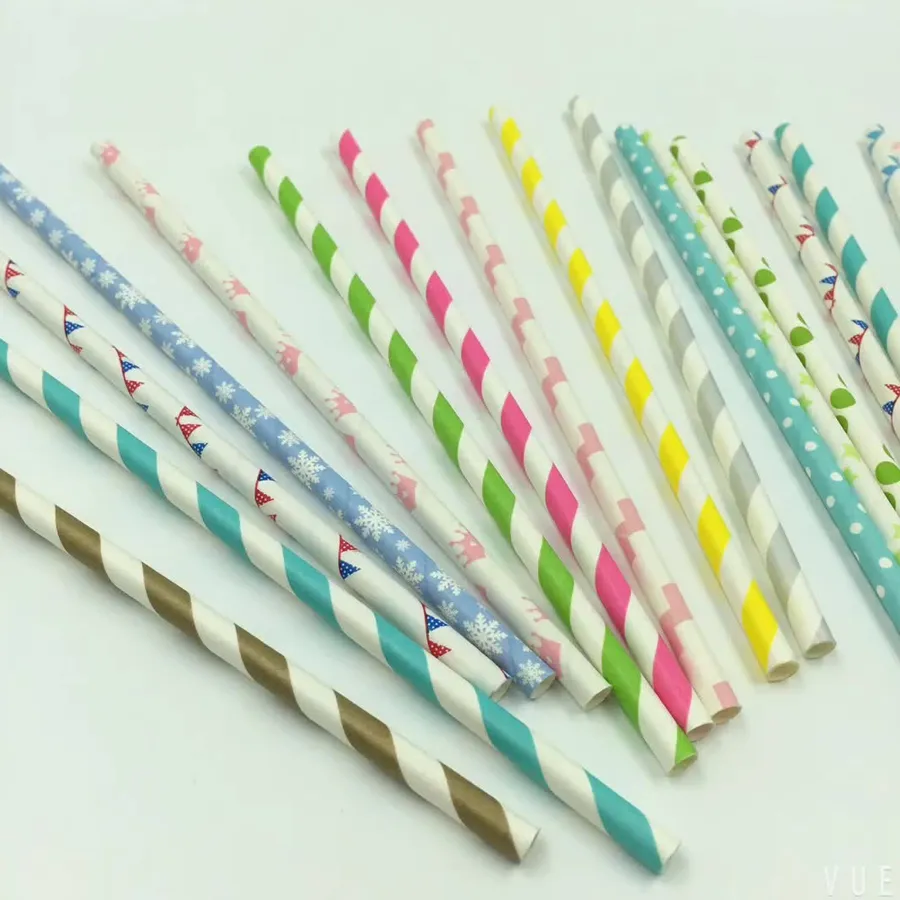

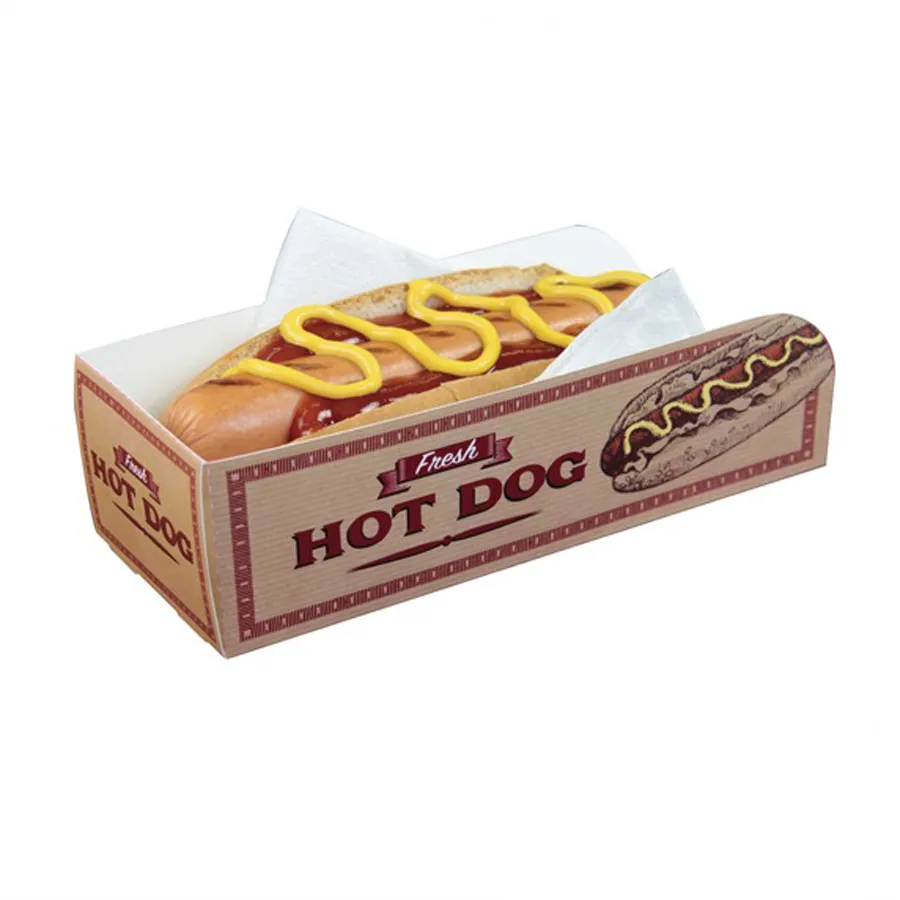


Issues ordered by cost. Expand any row for the evidence.
26 out of 27 products are missing descriptions, severely impacting discoverability and customer understanding.
criticalSeveral products have an insufficient number of images (2-3), limiting visual appeal and product information.
warningIdentified direct competitors by performing targeted Google searches for 'custom food packaging UK B2B', 'burger box suppliers UK', 'eco-friendly takeaway packaging UK', and similar terms. Websites were then reviewed to confirm they operate in the UK, target B2B food service customers, and offer custom and eco-friendly food packaging solutions, especially burger boxes. Catalog quality metrics were estimated by manually reviewing product pages, descriptions, images, and company information on each competitor's website.
Competitor metrics are estimates from public web signals, not scraped catalog counts.
Weak titles (0%)
Weak titles (0%)
Weak titles (0%)
One ranked roadmap, three views. Phase 1 alone recovers the majority inside 2 weeks.
Thin or missing descriptions force shoppers to guess why the product is worth buying.
Weak titles hurt search visibility and make products harder to understand at a glance.
Incomplete SEO fields limit how much organic traffic your existing catalog can capture.
Clearer product names that are easier to scan, search, and compare.
More complete PDPs that explain value, answer objections, and support conversion.
A more discoverable catalog with cleaner metadata and stronger search intent.
Enriched product descriptions increase PDP conversion rate
Keep 20% of products unchanged as a control group. Compare conversion rate, bounce rate, and revenue per session between optimized and control products after 30 days.
27 products to fix. Dondo runs it in 1 minutes.