01
Add complete product image sets
Weak image coverage reduces trust and makes products harder to evaluate.
+ZAR 48/mo·2 products
We audited 19 of your 19 products. Your catalog scores 82/100 — top e-commerce brands hit 92. That gap is worth ZAR 48/month in unrealized sales.
“Your catalog suffers from a lack of structural discipline that top-tier retailers solved years ago. While your data is present, the extreme lack of standardization makes your store look unpolished and amateurish compared to industry leaders.”
Monthly revenue estimated from 19 products, ZAR320 avg price, ~5K monthly visits scaled by catalog size, 2% conversion rate.
Formula: Sampled 19 of 19 products (×1 extrapolation). Losses combined multiplicatively: 1-(1-r₁)(1-r₂)(1-r₃)(1-r₄) to avoid double-counting.
Before we look at what's broken, we need to understand who reads your product pages and what they came for.
She's 55-65% of revenue of your revenue — and your product pages aren't answering her questions.
Lack of visual confirmation: Only having one image for furniture items like the storage cabinet creates fear that the product is low quality or a scam.
Inconsistent product details: Extreme variance in description lengths makes it difficult to find actual specifications (e.g., dimensions or material weight) for practical planning.
Brand legitimacy concerns: The lack of a polished site structure and missing metadata leads to 'dropshipping anxiety' and fear of poor customer service.
Equip a home office for remote work or study using affordable, compact furniture like the melamine computer desk.
Streamline morning routines by organizing kitchen and bathroom essentials with specialized storage solutions.
Improve sleep hygiene and home atmosphere through low-cost lifestyle upgrades like silk masks and ambient lighting.
High-utility organization needs: The immediate desire to declutter a small kitchen or bathroom workspace.
Impulse-friendly price points: Very low-cost items like the silk mask (14.98 ZAR) act as low-risk entry points into the brand.
Multi-functional appeal: Products that serve multiple purposes, such as the 3-in-1 kitchen roll holder or the speaker-alarm clock hybrid.
The catalog fails to bridge the 'trust gap' necessary for home goods. While products are priced for the budget-conscious, the 'critical image deficiency' prevents the persona from visualizing how furniture fits into their space. Furthermore, the fragmented metadata and inconsistent descriptions fail to answer basic technical questions, forcing the customer to look for more 'professional' competitors despite the higher price.
The catalog successfully bridges technical details (like 'BPA-Free' and 'MDF storage') with emotional hooks. However, there is a minor drift where some descriptions are purely functional (LED fill light), while others lean into luxury (Mulberry Silk mask). To close the gap, the brand should ensure the 'Home Plug' prefix is used consistently across all categories to unify the diverse product range under one cohesive identity of 'home solutions.'

Issues ordered by cost. Expand any row for the evidence.
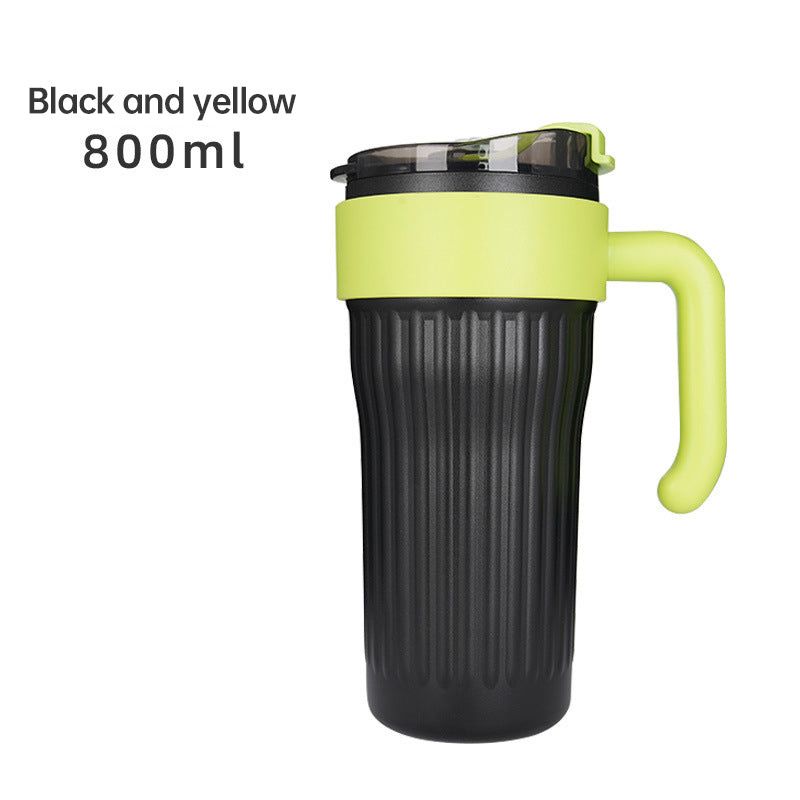
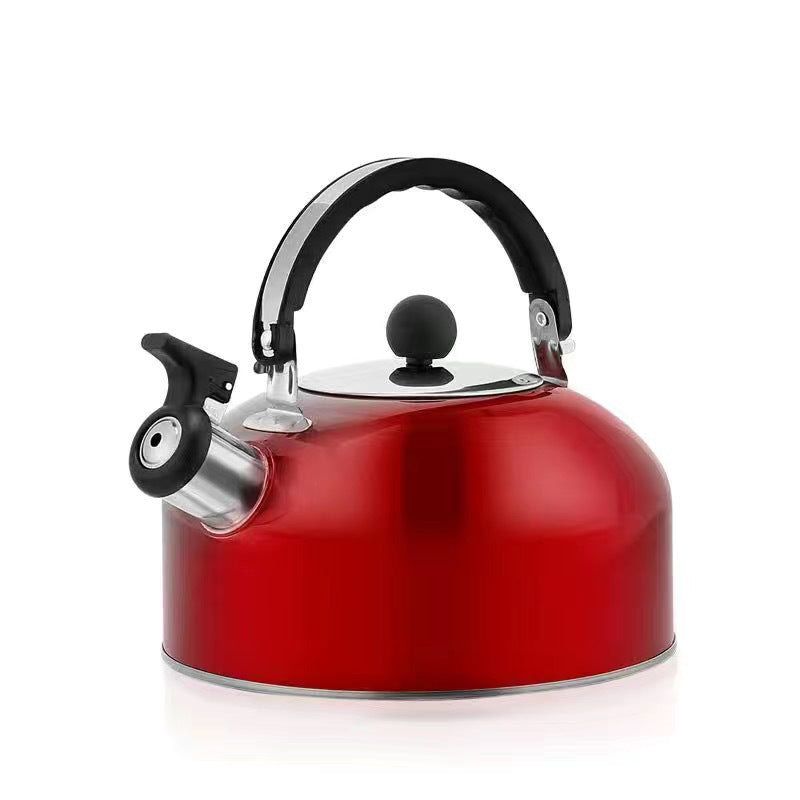
Specific products such as IDs 34484 and 34856 contain only one image, which fails to provide the visual depth required for consumer purchase confidence.
criticalText blocks range from 1,000 to over 9,500 characters, creating an inconsistent user experience and potentially burying critical product information.
warningLack of standardized attribute mapping across batches indicates a significant risk of poor search filtering and internal discovery.
criticalExcessively long descriptions (9,500+ characters) risk keyword stuffing penalties and dilute the primary value proposition of the items.
warningThe lack of a unified content standard across various product batches leads to a disjointed brand voice and erratic quality control.
criticalCompetitors were selected based on overlap in core categories (home furniture, storage, and lifestyle tech) and target market positioning. Metrics were estimated by analyzing top-performing product pages and site structure for each brand.
Competitor metrics are estimates from public web signals, not scraped catalog counts.
Insufficient images (0%)
Insufficient images (0%)
Weak titles (100%)
Weak titles (100%)
Weak titles (100%)
Weak titles (100%)
Weak titles (100%)
Weak titles (100%)
Weak titles (100%)
Weak titles (100%)
Weak titles (100%)
Weak titles (100%)
Weak titles (100%)
Weak titles (100%)
Weak titles (100%)
Weak titles (100%)
Weak titles (100%)
Weak titles (100%)
Weak titles (100%)
One ranked roadmap, three views. Phase 1 alone recovers the majority inside 2 weeks.
Weak image coverage reduces trust and makes products harder to evaluate.
Richer PDPs with stronger visual confidence and fewer abandoned product views.
Adding 3+ images per product increases add-to-cart rate
Keep 20% of products unchanged as a control group. Compare conversion rate, bounce rate, and revenue per session between optimized and control products after 30 days.
19 products to fix. Dondo runs it in 1 minutes.