01
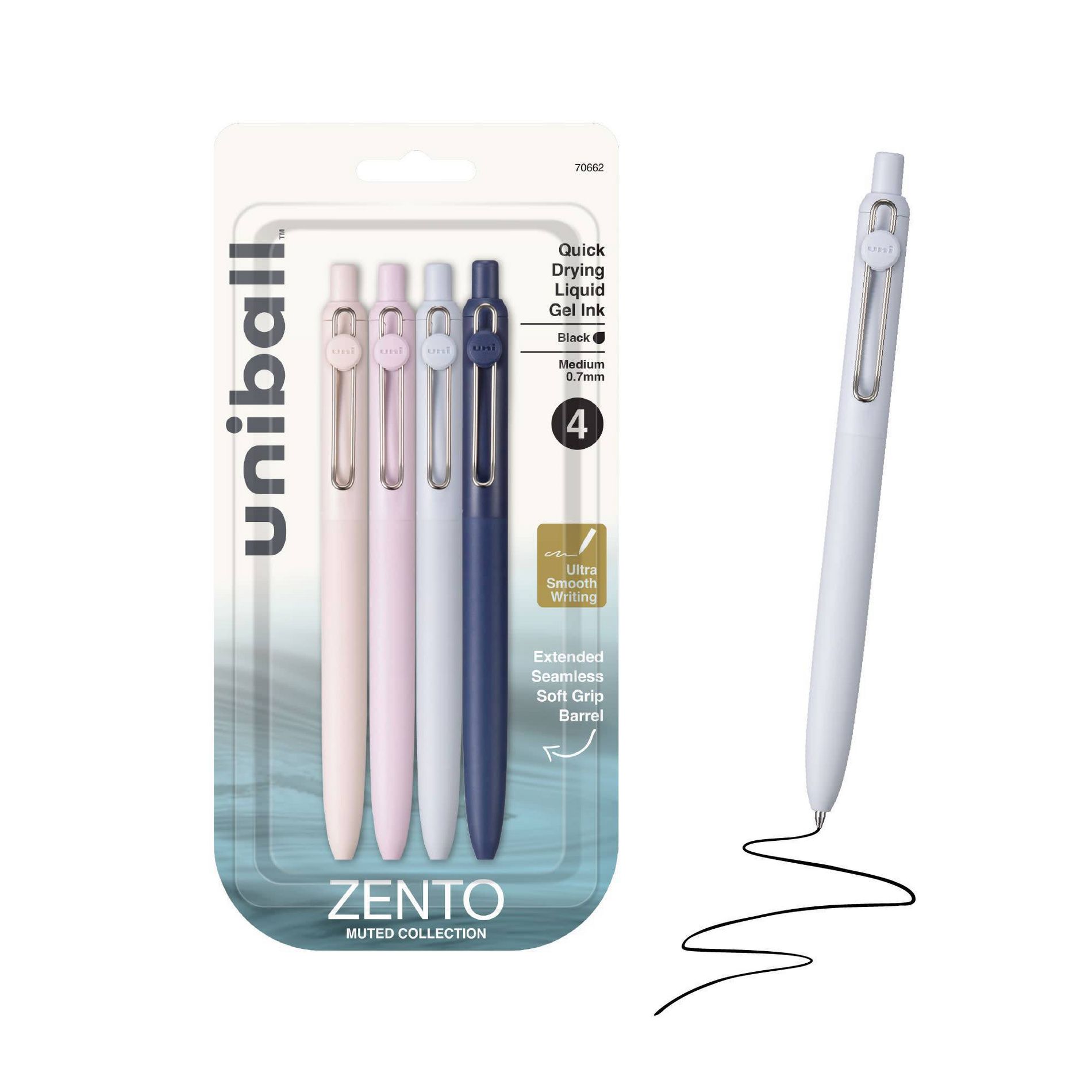
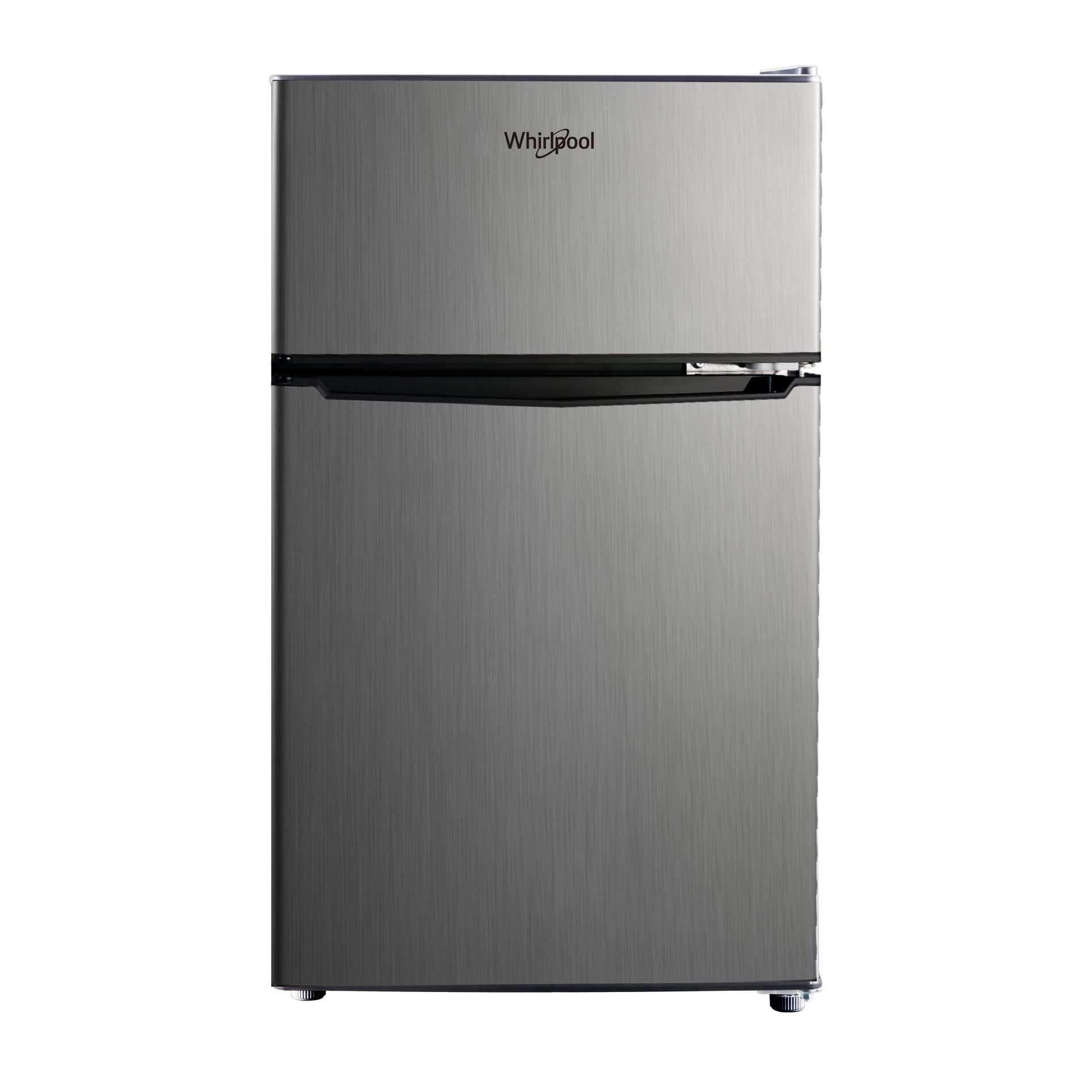
Expand product image sets (currently 1 per product, need 3+)
Weak image coverage reduces trust and makes products harder to evaluate.
+$75.0M/mo·26 products
We audited 26 of your 26 products. Your catalog scores 23/100 — top General E-commerce brands hit 75. That gap is worth $50.0M/month in unrealized sales.
“Your current catalog score of 27/100 places it significantly below the average for the "General e-commerce" industry benchmark, which typically ranges from 50-60, with top performers achieving 75+. This indicates a substantial gap between your current e-commerce catalog performance and industry standards. By addressing the critical issues outlined in this report, particularly the content and structural deficiencies, Target.com has a tremendous opportunity to close this gap, significantly boost conversion rates, enhance organic visibility, and ultimately drive considerable revenue growth.”
Monthly online revenue of $500.0M based on reported annual revenue of ~$105B USD FY2025.
Formula: Sampled 26 of 26 products (×1 extrapolation). Losses combined multiplicatively: 1-(1-r₁)(1-r₂)(1-r₃)(1-r₄) to avoid double-counting.
Before we look at what's broken, we need to understand who reads your product pages and what they came for.
She's 20-25% of revenue of your revenue — and your product pages aren't answering her questions.
Concerns about online order accuracy and delivery reliability, fearing damaged or incorrect items.
Frustration with automated or unhelpful customer service when issues arise with purchases.
Hesitation to purchase due to frequent out-of-stock items, especially for popular deals or essentials.
Efficiently procure a wide array of everyday necessities and household items.
Discover new and aesthetically pleasing products to enhance her home and personal style without overspending.
Simplify shopping for tech gadgets or larger purchases by finding reliable options with good value during sales.
Opportunity to find stylish and trend-forward products at an affordable price point.
Convenience of a one-stop shop for diverse needs, from groceries to electronics and home goods.
Access to exclusive owned brands and designer collaborations that offer unique value and style.
The current catalog's inconsistent and often sparse product titles and descriptions directly undermine Sarah's need for efficiency and confidence. For products like 'Apple Watch Series 11' or 'Solid Performance 400 Thread Count Sheet Set,' the lack of specific features, benefits, or material details forces her to seek information elsewhere, wasting time and reducing trust. For trend-forward or exclusive items she values, the absence of detailed descriptions means their unique selling propositions are not effectively communicated, failing to capitalize on her desire for curated, quality finds and potentially leading to missed conversions due to insufficient data for her purchasing decisions.
The current product catalog descriptions are purely functional and transactional (e.g., 'Apple AirPods Pro 3 Wireless Earbuds with Active Noise Cancellation'). They fail to integrate Target's distinctive brand voice, which emphasizes 'joy of everyday life,' 'great design for all,' and a 'clean, modern aesthetic with a touch of whimsy.' There is a significant missed opportunity to connect with customers emotionally, highlight product benefits through a branded lens, or reinforce the 'Expect More. Pay Less.' promise by demonstrating the value beyond basic features. The descriptions lack the warmth, style, and aspirational tone characteristic of Target's brand identity, reducing products to generic listings rather than curated solutions for a joyful life.
To help all families discover the joy of everyday life.




Issues ordered by cost. Expand any row for the evidence.
Customers cannot make informed purchasing decisions, and search engines cannot properly index your products, leading to high bounce rates and poor organic visibility.
criticalCustomers are unable to visualize products adequately from different angles, in context, or with sufficient detail, leading to abandonment and higher return rates.
criticalShoppers cannot effectively filter, search, or select specific sizes/colors/configurations, leading to frustration and competitor flight.
criticalYour products are not appearing prominently in search results for relevant queries, forcing an over-reliance on paid marketing.
criticalCustomers are not perceiving value or being motivated to purchase high-ticket items, nor are they encouraged to buy more through bundles.
criticalDirect competitors were identified based on their product categories (General E-commerce) and market (U.S.), matching Target's profile. Catalog quality metrics were estimated by reviewing public web signals, including website content, SEO guides, and brand voice descriptions, to infer typical content depth, image usage, and brand alignment.
Competitor metrics are estimates from public web signals, not scraped catalog counts.
Thin descriptions (0%)
Thin descriptions (0%)
Insufficient images (0%)
Insufficient images (0%)
Insufficient images (0%)
Weak titles (0%)
Insufficient images (0%)
Insufficient images (0%)
Insufficient images (0%)
Insufficient images (0%)
Insufficient images (0%)
Insufficient images (0%)
One ranked roadmap, three views. Phase 1 alone recovers the majority inside 2 weeks.
Weak image coverage reduces trust and makes products harder to evaluate.
Thin or missing descriptions force shoppers to guess why the product is worth buying.
Incomplete SEO fields limit how much organic traffic your existing catalog can capture.
Weak titles hurt search visibility and make products harder to understand at a glance.
Clearer product names that are easier to scan, search, and compare.
More complete PDPs that explain value, answer objections, and support conversion.
Richer PDPs with stronger visual confidence and fewer abandoned product views.
A more discoverable catalog with cleaner metadata and stronger search intent.
Enriched product descriptions increase PDP conversion rate
Keep 20% of products unchanged as a control group. Compare conversion rate, bounce rate, and revenue per session between optimized and control products after 30 days.
Use the AI Description Writer to generate persuasive, SEO-rich descriptions for all 26 products (and the entire catalog). This will instantly populate critical content, enhancing customer understanding and search engine crawlability.
Leverage the AI Image Generator to create professional product photos, lifestyle shots, and various angles for each product. This will address the severe visual deficiency.
Utilize the Listing Optimizer to automatically identify and suggest missing tags, standardize URL structures for SEO, and help define and populate product variants. This will dramatically improve on-site discoverability and search engine ranking factors.
Use Competitor Analysis to identify how direct competitors are using pricing psychology, promotions, and financing. Then, use the Performance Monitor to track the impact of implementing new pricing strategies, A/B test promotions, and monitor the uptake of financing options on high-ticket items.
Connect Dondo and this becomes your work surface.
13 products to fix. Dondo runs it in 1 minutes.