01
Rewrite weak product titles
Weak titles hurt search visibility and make products harder to understand at a glance.
+$54/mo·13 products
We audited 58 of your 58 products. Your catalog scores 71/100 — top e-commerce brands hit 96. That gap is worth $82/month in unrealized sales.
“This catalog demonstrates significant deficiencies compared to top-tier e-commerce sites, particularly in content quality and visual presentation. Substantial strategic effort is required to close the gap with leading industry performers.”
Monthly revenue estimated from 58 products, $166 avg price, ~5K monthly visits scaled by catalog size, 2% conversion rate.
Formula: Sampled 58 of 58 products (×1 extrapolation). Losses combined multiplicatively: 1-(1-r₁)(1-r₂)(1-r₃)(1-r₄) to avoid double-counting.
Before we look at what's broken, we need to understand who reads your product pages and what they came for.
She's 35-45% of revenue of your revenue — and your product pages aren't answering her questions.
Concerns about the true cosmetic and functional condition of a refurbished device, particularly regarding 'screen burn' or 'defective' components mentioned in some listings.
Worry about the long-term reliability and unexpected failures of used electronics despite initial testing claims.
Skepticism regarding the authenticity of seller promises, needing tangible proof or strong social proof beyond a 60-day return policy.
Acquire a functional and reliable laptop or tablet for academic assignments, remote work, or general productivity without exceeding a strict financial limit.
Replace a currently broken, slow, or outdated personal computing device quickly and affordably to maintain productivity.
Access specific software or perform tasks that require certain hardware specifications (e.g., sufficient RAM, SSD storage, specific processor generation).
Significant cost savings compared to new devices, allowing her to stay within her budget for essential technology.
A specific need for a particular form factor (e.g., 2-in-1 tablet/laptop for portability) or operating system (e.g., Windows Pro for specific software) that is too expensive new.
Desire to make an environmentally responsible purchase by extending the lifecycle of electronic devices.
The catalog's inconsistent description quality and insufficient number of images directly hinder Sarah's ability to confidently assess the actual cosmetic and functional condition of refurbished items. While some product snippets mention 'Screen Burn' or 'Defective Touchscreen,' a standardized, comprehensive grading system with multiple high-quality photos of the actual product (highlighting any wear or defects) is largely absent. This forces Sarah to assume undue risk or spend extra effort trying to deduce the item's true state, which can lead to hesitation, cart abandonment, and ultimately lost sales. She needs clear evidence to trust the claims of 'rigorous testing' and 'wiped clean' devices.
While product descriptions effectively communicate 'professional grade' value and transparently list conditions, they currently underemphasize the brand's stated commitment to rigorous quality assurance (e.g., NIST data wiping, R2v3 certification) and environmental responsibility. Integrating these explicit trust signals and sustainability benefits more consistently into product copy would strengthen the brand's unique selling proposition beyond just price and performance, aligning more deeply with the 'About Us' page's mission.
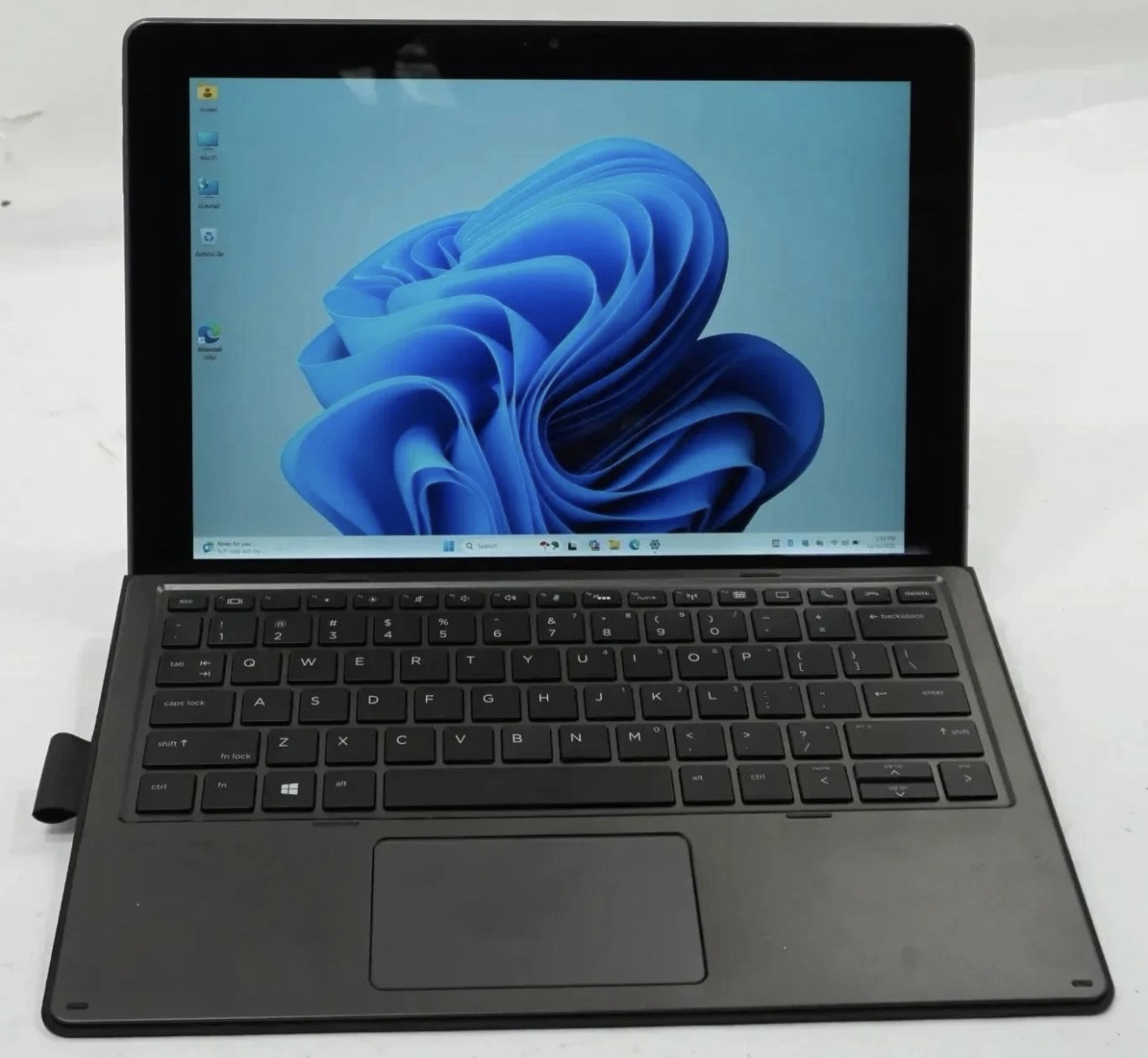


Issues ordered by cost. Expand any row for the evidence.
Many product descriptions are either too short, poorly formatted, or lack critical information, significantly hindering product understanding and user experience.
criticalA substantial number of products feature too few images, preventing customers from thoroughly evaluating item condition, features, and overall appeal.
criticalIdentified competitors selling refurbished laptops and tablets in the US market through Google search, and estimated catalog quality metrics from their public websites.
Competitor metrics are estimates from public web signals, not scraped catalog counts.
Weak titles (77%)
Weak titles (100%)
One ranked roadmap, three views. Phase 1 alone recovers the majority inside 2 weeks.
Weak titles hurt search visibility and make products harder to understand at a glance.
Weak image coverage reduces trust and makes products harder to evaluate.
Thin or missing descriptions force shoppers to guess why the product is worth buying.
Incomplete SEO fields limit how much organic traffic your existing catalog can capture.
Clearer product names that are easier to scan, search, and compare.
More complete PDPs that explain value, answer objections, and support conversion.
Richer PDPs with stronger visual confidence and fewer abandoned product views.
A more discoverable catalog with cleaner metadata and stronger search intent.
Adding 3+ images per product increases add-to-cart rate
Keep 20% of products unchanged as a control group. Compare conversion rate, bounce rate, and revenue per session between optimized and control products after 30 days.
14 products to fix. Dondo runs it in 1 minutes.