01
Rewrite weak product titles
Weak titles hurt search visibility and make products harder to understand at a glance.
+$177/mo·25 products
We audited 100 of your 363 products. Your catalog scores 60/100 — top e-commerce brands hit 93. That gap is worth $332/month in unrealized sales.
“This catalog lags significantly behind industry leaders. Critical deficiencies in content quality and consistency are prevalent, preventing it from competing effectively with top-tier e-commerce sites.”
Monthly revenue estimated from 363 products, $283 avg price, ~5K monthly visits scaled by catalog size, 2% conversion rate.
Formula: Sampled 100 of 363 products (×3.6 extrapolation). Losses combined multiplicatively: 1-(1-r₁)(1-r₂)(1-r₃)(1-r₄) to avoid double-counting.
Before we look at what's broken, we need to understand who reads your product pages and what they came for.
She's 50-60% of revenue of your revenue — and your product pages aren't answering her questions.
Lack of detailed product information beyond basic materials, making it hard to assess true quality and craftsmanship.
Inconsistencies between product titles and descriptions raising concerns about attention to detail and accuracy.
Uncertainty about product color or appearance due to limited or potentially inaccurate imagery.
Acquire a high-quality, durable leather item that will serve me for many years and develop a unique patina.
Express my personal style through classic, understated pieces that convey sophistication and attention to quality.
Support businesses that demonstrate integrity, ethical practices, and true craftsmanship.
Detailed descriptions highlighting material quality (full-grain leather, cowhide, goatskin suede), craftsmanship details (stitching, hardware), and care instructions.
Clear communication of ethical sourcing, sustainability efforts, and initiatives like 'One Purchase, One Tree'.
Testimonials or visual evidence of products aging beautifully over time, emphasizing durability and timeless appeal.
Arthur's primary need for detailed product information, evidence of craftsmanship, and confidence in his purchase is severely undermined by the templated and inconsistent product descriptions. The lack of unique content, misaligned titles/descriptions, and potentially insufficient imagery prevent him from fully understanding the product's value proposition, ethical sourcing details, and long-term durability. This forces him to guess or seek information elsewhere, eroding trust and hindering conversion, especially for a brand positioning itself on 'premium' and 'quality'.
Current product descriptions likely lean towards practical specifications ('real leather,' 'warm,' 'true to size') and price comparison ('saved over $300'). The gap lies in integrating the rich narrative of craftsmanship, ethical sourcing, and timeless legacy. They may describe *what* the product is and *what it does*, but miss the opportunity to articulate *why* it matters—the story, the values, and the aspirational confidence it offers beyond mere utility. The voice needs to elevate from descriptive to evocative, weaving in the brand's commitment to artistry and ethics.
To share a legacy of craftsmanship with people who value quality, durability, and genuine style, coupled with a dedication to premium leather craftsmanship, ethical sourcing, and timeless design.
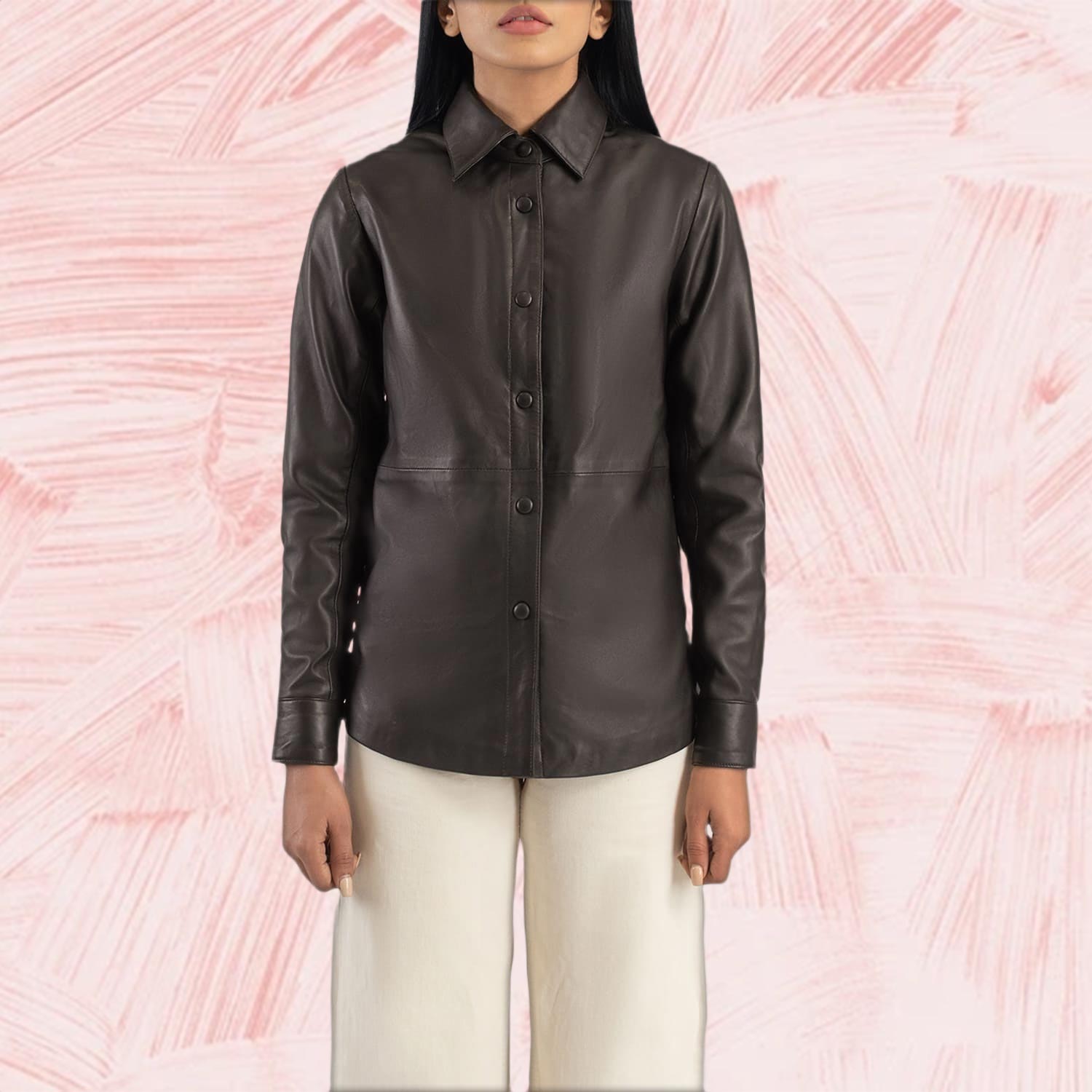

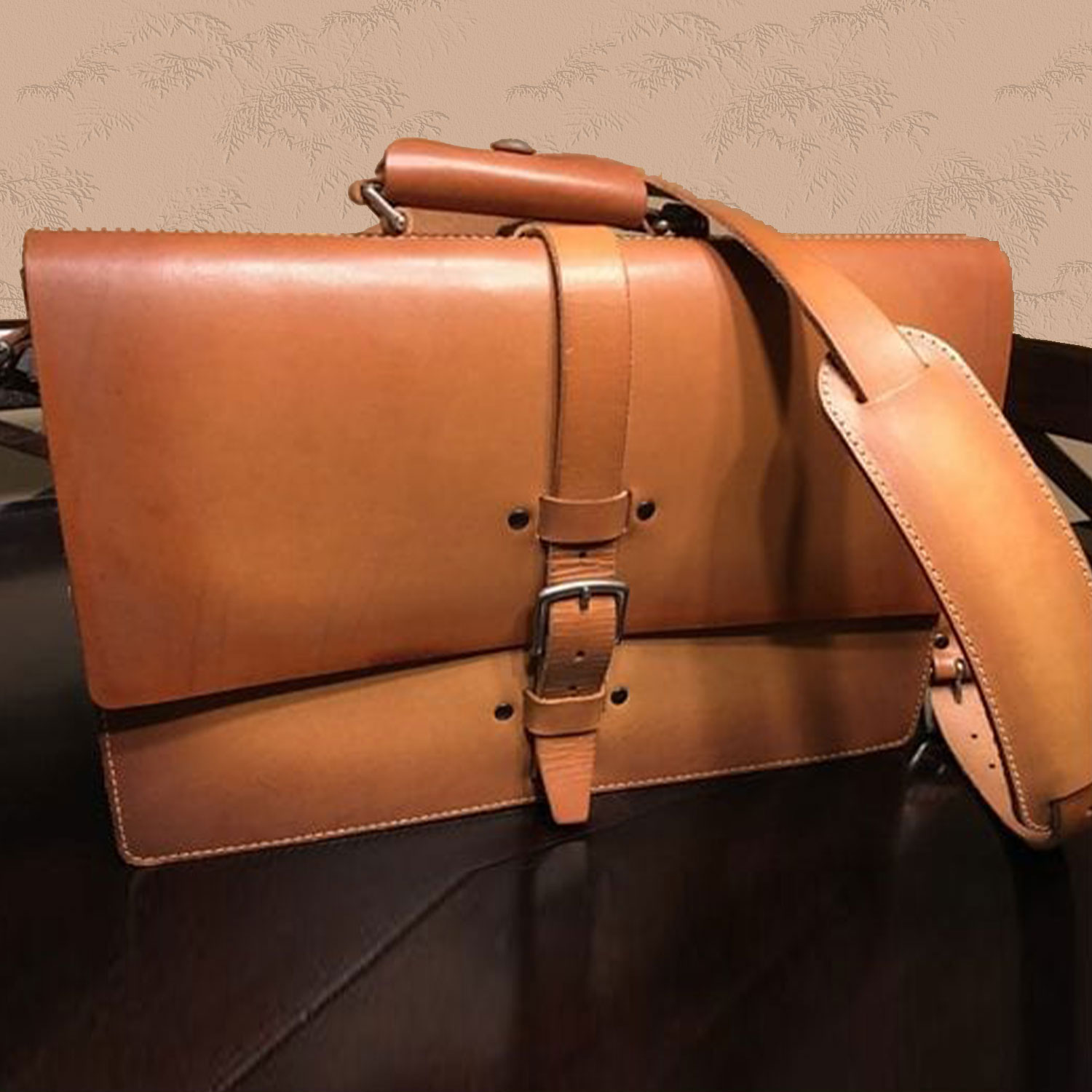

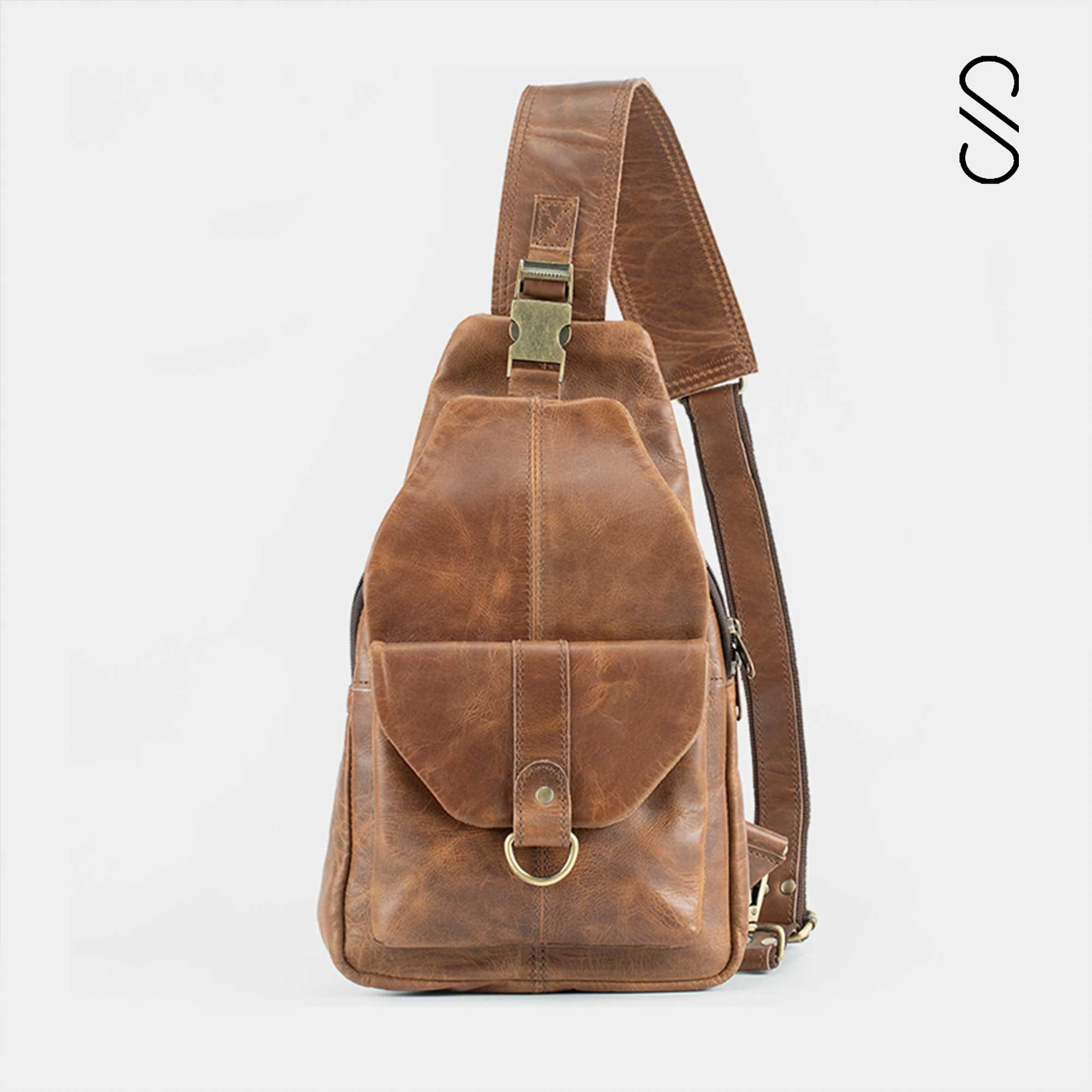

Issues ordered by cost. Expand any row for the evidence.
The vast majority of product descriptions are generic HTML templates, completely lacking unique, informative content and severely harming both user experience and search engine optimization.
criticalCritical content mismatches between product titles and description headers, affecting accuracy and user trust.
criticalThe brand name 'SaltCo' is consistently used in description snippets (h3 tag) but is often omitted from the main product title, leading to inconsistency and missed SEO opportunities.
warningSeveral product descriptions contain extraneous HTML div tags with CSS classes, indicating a lack of proper content formatting which can affect readability, render quality, and SEO.
warningA significant number of products have an insufficient quantity of images (average 4.68), limiting comprehensive visual representation and customer understanding.
warningCompetitors were identified by searching for leather goods retailers in Pakistan, focusing on those explicitly mentioning 'handcrafted,' 'premium leather,' and a similar product range (jackets, bags, accessories). Known competitors were cross-referenced and validated for market and product category. Catalog quality metrics were estimated by manually reviewing product pages for description length, image types, material claim prominence, and brand voice alignment.
Competitor metrics are estimates from public web signals, not scraped catalog counts.
Weak titles (0%)
Weak titles (94%)
One ranked roadmap, three views. Phase 1 alone recovers the majority inside 2 weeks.
Weak titles hurt search visibility and make products harder to understand at a glance.
Incomplete SEO fields limit how much organic traffic your existing catalog can capture.
Clearer product names that are easier to scan, search, and compare.
A more discoverable catalog with cleaner metadata and stronger search intent.
Enriched product descriptions increase PDP conversion rate
Keep 20% of products unchanged as a control group. Compare conversion rate, bounce rate, and revenue per session between optimized and control products after 30 days.
25 products to fix. Dondo runs it in 1 minutes.