01
Rewrite weak product titles
Weak titles hurt search visibility and make products harder to understand at a glance.
+£137/mo·55 products
We audited 100 of your 5493 products. Your catalog scores 63/100 — top e-commerce brands hit 92. That gap is worth £273/month in unrealized sales.
“This catalog falls considerably short of industry benchmarks, particularly in visual content and product descriptions. Top performers consistently achieve higher engagement through comprehensive imagery and unique, keyword-rich narratives, areas where this catalog currently underperforms.”
Monthly revenue estimated from 5493 products, £99 avg price, ~5K monthly visits scaled by catalog size, 2% conversion rate.
Formula: Sampled 100 of 5493 products (×54.9 extrapolation). Losses combined multiplicatively: 1-(1-r₁)(1-r₂)(1-r₃)(1-r₄) to avoid double-counting.
Before we look at what's broken, we need to understand who reads your product pages and what they came for.
She's 70-80% of revenue of your revenue — and your product pages aren't answering her questions.
Is this truly authentic designer wear, or a good replica? The generic descriptions make it hard to verify quality and value.
Will this outfit fit me well and look as good as I imagine? The limited product images don't provide enough visual confidence.
I need detailed information on fabric, stitching, and embellishments for special occasions; sparse descriptions leave too much uncertainty.
Find an outfit that is beautiful, modest, and culturally appropriate for a specific event, making me feel confident and elegant.
Source authentic Pakistani designer wear in the UK without the hassle of international shipping, customs, or worries about quality.
Ensure the clothing I purchase fits well and reflects the quality and style I expect from a reputable designer brand.
Upcoming festive occasions (Eid, weddings, family gatherings) requiring culturally appropriate and stylish Pakistani attire.
Desire to express cultural identity and connect with heritage through high-quality, authentic Pakistani designer fashion.
Need for a reliable and convenient online shopping experience within the UK that avoids international shipping complexities and customs issues.
Aisha struggles to verify the authenticity, quality, and fit of garments due to 'Critically Insufficient Product Imagery' (making it hard to visualize fit and details), 'Sparse, Templated, and Uninformative Product Descriptions' (failing to provide essential details on fabric, stitching, and embellishments crucial for her purchase decisions), and 'Redundant Product Titles & Poor HTML in Descriptions' which undermines trust and makes accurate assessment difficult. The generic nature of current listings doesn't address her need for specific information to confirm quality and cultural appropriateness, leading to hesitation and potential returns.
The brand's mission emphasizes bringing 'elegance, culture, and vibrancy' and providing 'clear product information.' However, the current product catalog snippets are extremely brief and functional, often consisting of just 'Outfit Type,' 'Style,' and 'Color Type,' alongside basic HTML. This starkly contrasts with the stated values of 'Quality, Culture, and Confidence.' The descriptions fail to convey the premium, cultural richness, or detailed quality of the 'authentic Pakistani designer brands' and 'hand-finished details' mentioned in the brand intelligence. There's a significant opportunity to enrich product copy with storytelling about the garments' cultural significance, design inspirations, fabric quality, and styling suggestions, thus aligning the catalog experience with the brand's sophisticated and culturally rich voice.
To make Pakistani fashion easier to shop for customers in the UK by offering carefully selected clothing, helpful support, and a reliable online shopping experience. The goal is to bring the elegance, culture, and vibrancy of Pakistani clothing to customers across the UK, making Pakistani fashion more accessible, reliable, and enjoyable for UK shoppers.
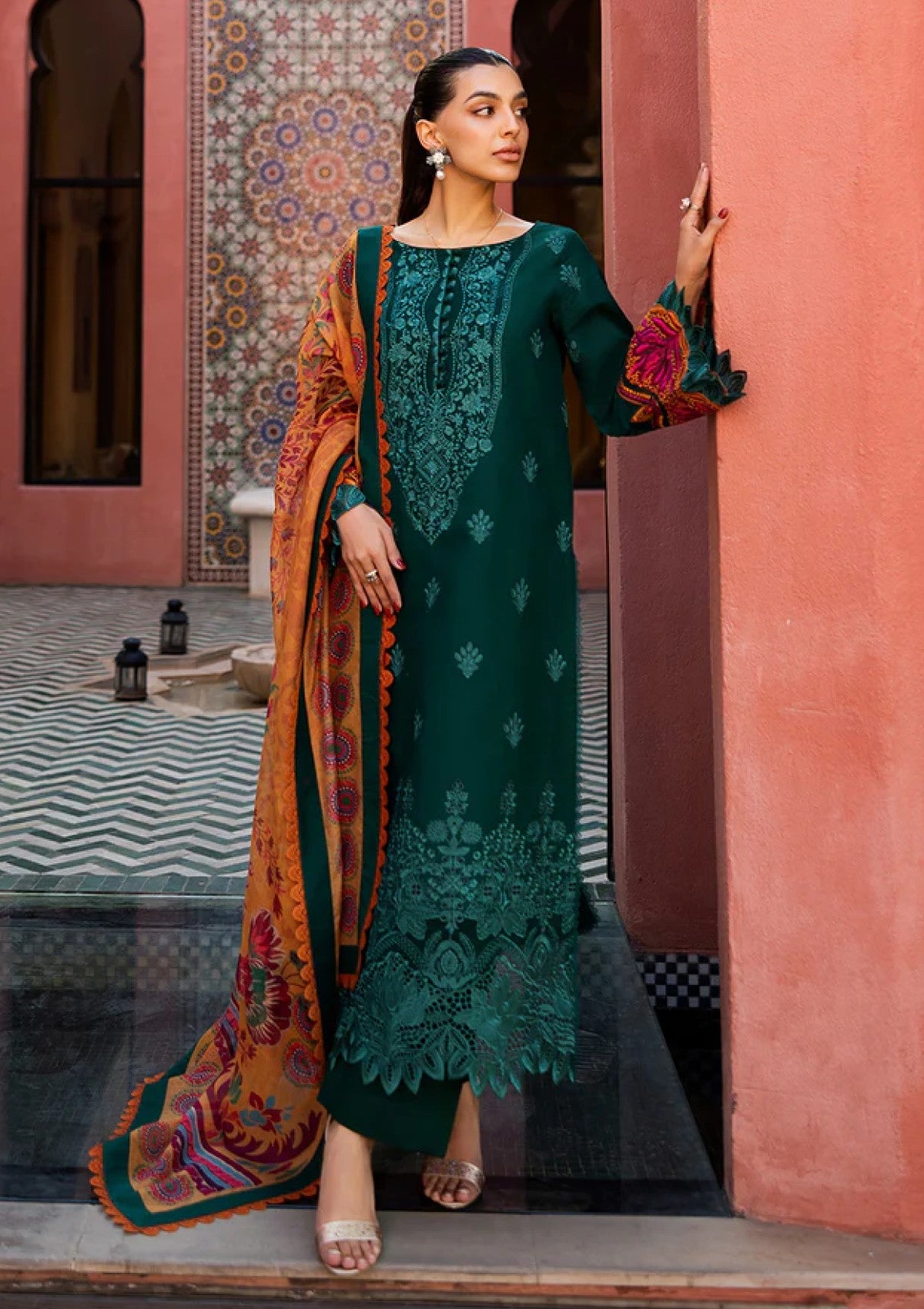

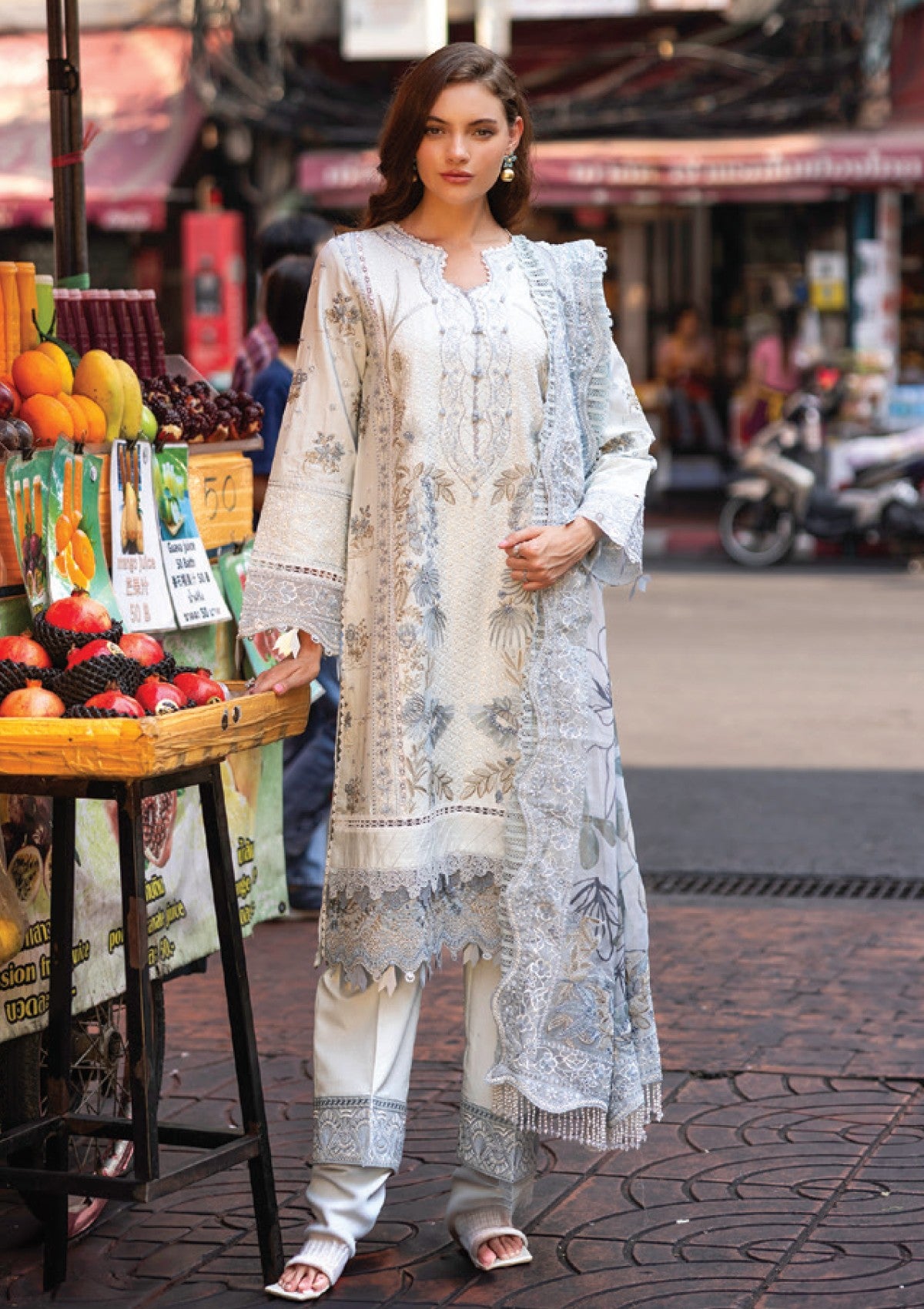

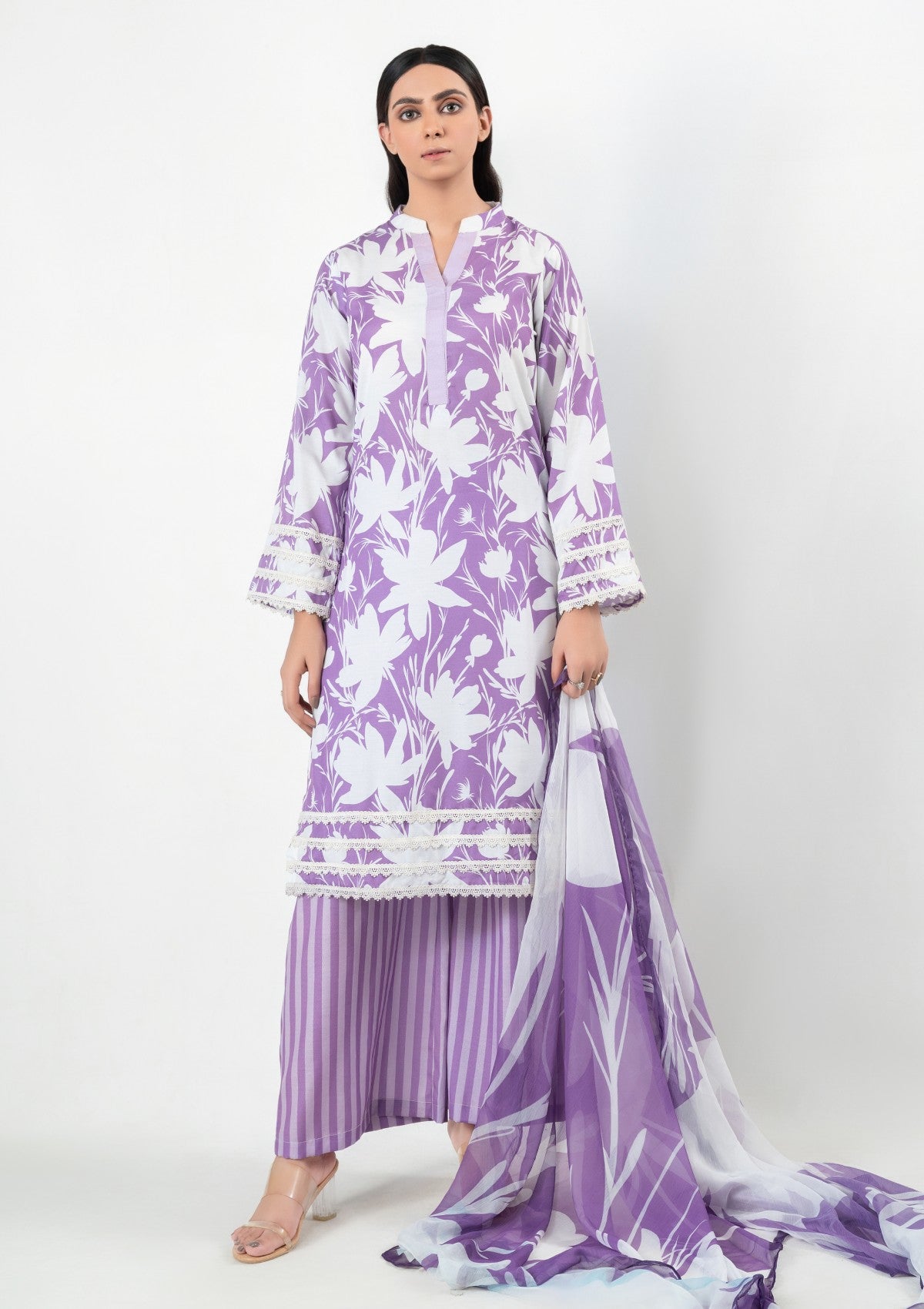

Issues ordered by cost. Expand any row for the evidence.
Product descriptions universally include a redundant H2/H3 heading that duplicates the product title, often accompanied by extraneous HTML (e.g., raw tags, 'data-mce-fragment', empty <span> tags), severely harming SEO, readability, and content structure.
criticalA significant portion of products have a critically insufficient quantity and variety of images (many with 0-4 images). This severely hinders customer visualization, engagement, and decision-making, particularly for luxury apparel.
criticalProduct titles are highly repetitive, overly reliant on internal codes or generic terms (e.g., '26', 'Luxury Lawn Collection'), lack specific differentiating keywords (color, material, pattern), and suffer from inconsistent formatting, severely limiting search engine visibility and user comprehension.
criticalBeyond title redundancy, product descriptions are frequently sparse, templated, and lack unique, engaging details such as styling advice, specific fabric/fit information, or unique selling propositions, leading to poor customer engagement and missed SEO opportunities.
criticalProduct listings frequently contain inaccurate or misleading information, such as an incorrect year (e.g., '2026') in titles/descriptions, and miscategorization (e.g., 'Luxury Lawn Collection' applied to non-lawn items), causing confusion and harming search relevance and trust.
criticalCompetitors were identified from the provided 'Known competitors' list. Each potential competitor's website was visited to verify product category (women's Pakistani ethnic wear and fashion) and target market (United Kingdom). Catalog quality metrics (overall score, average description words, lifestyle image percentage, material claims percentage, and voice match percentage) were estimated based on the content and presentation observed on their public websites, considering the provided context of the target store's audited metrics. 'Source confidence' is marked as 'medium' as these are informed estimates rather than precise scraped data.
Competitor metrics are estimates from public web signals, not scraped catalog counts.
Weak titles (99%)
One ranked roadmap, three views. Phase 1 alone recovers the majority inside 2 weeks.
Weak titles hurt search visibility and make products harder to understand at a glance.
Incomplete SEO fields limit how much organic traffic your existing catalog can capture.
Clearer product names that are easier to scan, search, and compare.
A more discoverable catalog with cleaner metadata and stronger search intent.
Adding 3+ images per product increases add-to-cart rate
Keep 20% of products unchanged as a control group. Compare conversion rate, bounce rate, and revenue per session between optimized and control products after 30 days.
55 products to fix. Dondo runs it in 1 minutes.