01
Add missing product descriptions
Thin or missing descriptions force shoppers to guess why the product is worth buying.
+$1.0K/mo·125 products
We audited 49 of your 49 products. Your catalog scores 43/100 — top Jewelry & Accessories brands hit 85. That gap is worth $2.1K/month in unrealized sales.
“You are currently 16 points below the industry average. To compete with mid-market players, you must transition from a database of SKUs to a benefit-driven retail storefront.”
Monthly online revenue of $20.8K based on reported annual revenue of ~$250,000 USD FY2024.
Formula: Sampled 50 of 250 products (×5 extrapolation). Losses combined multiplicatively: 1-(1-r₁)(1-r₂)(1-r₃)(1-r₄) to avoid double-counting.
Before we look at what's broken, we need to understand who reads your product pages and what they came for.
She's 65-70% of your revenue — and your product pages aren't answering her questions.
Uncertainty about brand legitimacy due to generic gmail contact info and lack of detailed 'About Us' content.
Fear of the product arriving permanently creased or deformed due to flat-packed shipping methods.
Concerns regarding quality control issues such as visible loose threads or poor stitching visible in close-up photos.
Find a professional-looking handbag that can transition from an office environment to an evening dinner.
Organize a high volume of personal items (phone, makeup, wallet) without losing them in a single large compartment.
Project a high-status fashion image without incurring credit card debt.
Free trackable worldwide shipping which justifies the international wait time.
Products that explicitly mention 'high-compartment' or 'multi-pocket' functionality for daily organization.
Promotional pricing for 'luxury look' bags that fall under the $120 psychological threshold.
The catalog identifies products by internal factory codes (e.g., L01285) rather than descriptive names, failing to connect with Maya's search intent for specific styles like 'quilted' or 'crossbody.' Furthermore, while there are many product angles, the total absence of lifestyle imagery prevents Maya from understanding the bag's scale or how it looks against a real outfit, increasing her fear that the item will look 'cheap' or 'tiny' upon arrival.
While the brand mission claims to offer 'stylish' fashion, the catalog is currently a technical spec sheet. The presence of 'Lorem Ipsum' on the About page and the use of alphanumeric codes (e.g., L12574166) as product titles creates a significant trust gap. The voice fails to communicate the 'style' aspect of its mission, relying entirely on the customer's visual interpretation rather than providing a cohesive brand experience.
To provide high-quality, stylish, and practical bags and accessories at promotional, budget-friendly prices.
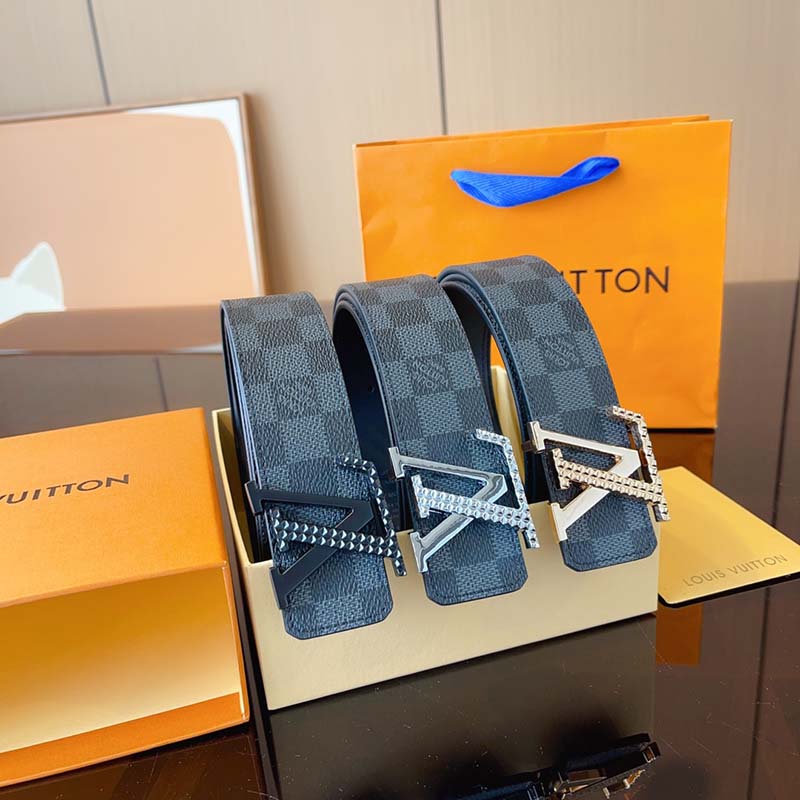
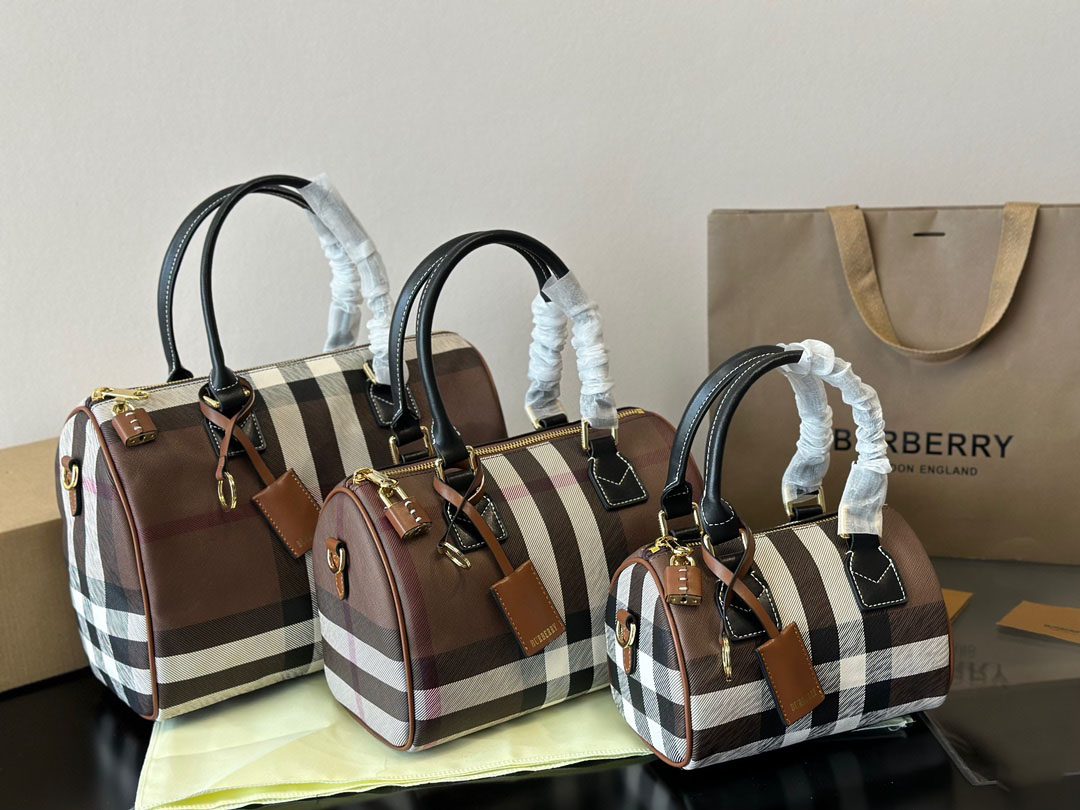

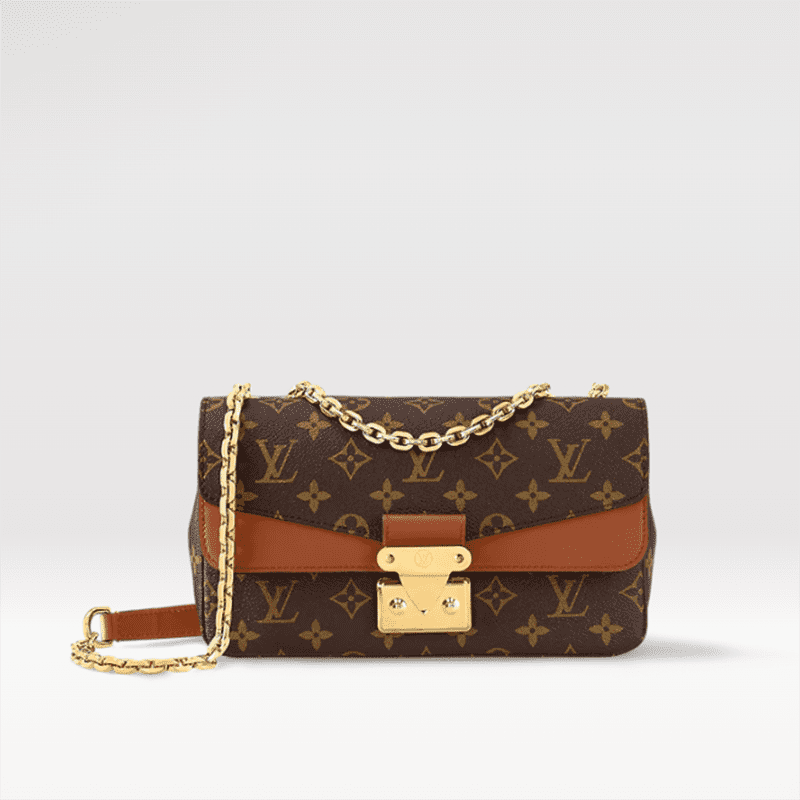

Issues ordered by cost. Expand any row for the evidence.
SKUs like L01285 provide zero search value compared to fashion keywords
critical49 products lack reasons to buy, focusing only on raw material specs
criticalMissing 'Compare-at' anchors and charm pricing on items like the $135 Shoulder bag
warningThe site interface lacks the curated brand experience expected in fashion
warningNo model shots to communicate size scale, increasing return potential
warningCompetitors were identified by filtering brands with Chinese headquarters that specialize in the 'Jewelry & Accessories' (specifically handbags) category and maintain a global direct-to-consumer e-commerce presence. Metrics were estimated based on site-wide auditing of product page structures, metadata richness, and visual content ratios.
Competitor metrics are estimates from public web signals, not scraped catalog counts.
Weak titles (0%)
Weak titles (0%)
Weak titles (0%)
Weak titles (0%)
Weak titles (0%)
Weak titles (0%)
Weak titles (0%)
Weak titles (0%)
Weak titles (0%)
Weak titles (0%)
Weak titles (0%)
Weak titles (0%)
One ranked roadmap, three views. Phase 1 alone recovers the majority inside 2 weeks.
Thin or missing descriptions force shoppers to guess why the product is worth buying.
Weak titles hurt search visibility and make products harder to understand at a glance.
Incomplete SEO fields limit how much organic traffic your existing catalog can capture.
Clearer product names that are easier to scan, search, and compare.
More complete PDPs that explain value, answer objections, and support conversion.
A more discoverable catalog with cleaner metadata and stronger search intent.
Complete SEO metadata increases organic traffic to product pages
Keep 20% of products unchanged as a control group. Compare conversion rate, bounce rate, and revenue per session between optimized and control products after 30 days.
Automatically transforms factory codes into keyword-rich, descriptive fashion titles
Generates benefit-driven copy and style notes for all 49 thin-content products
Optimizes URL slugs, Alt Text, and Meta Tags for better organic ranking
Benchmarks pricing against fashion competitors to optimize charm pricing and discounts
Connect Dondo and this becomes your work surface.
250 products to fix. Dondo runs it in 1 minutes.