01
Expand product image sets (currently 1.4 per product, need 3+)
Weak image coverage reduces trust and makes products harder to evaluate.
+$91.4K/mo·86 products
AITools.catalog-audit.report-v5.hero.sub
“The Gottman Institute's academic authority is world-class, but the digital merchandising lags. You are currently outperforming the general average, but far behind top-tier mental health e-commerce performers.”
Monthly online revenue of $708.3K based on reported annual revenue of ~$10M - $15M USD FY2023 (Source: Growjo/ZoomInfo estimates).
Formula: Sampled 50 of 100 products (×2 extrapolation). Losses combined multiplicatively: 1-(1-r₁)(1-r₂)(1-r₃)(1-r₄) to avoid double-counting.
AITools.catalog-audit.report-v5.act-2-divider.summary
AITools.catalog-audit.report-v5.persona.lede
The high cost of professional certification and the $1,225 application fee feel prohibitive without a clear ROI breakdown.
Concerns that the digital learning interface and video materials may feel dated or lack modern UX functionality.
Lack of transparency regarding the specific contents of manuals and training bundles before making a high-ticket purchase.
Master a research-backed framework to move stuck couples from conflict to connection efficiently.
Earn professional development credits and certifications that provide a competitive advantage in the mental health market.
Access practical, ready-to-use clinical tools that reduce the cognitive load of session planning.
Increasing number of 'high-conflict' or 'near-divorce' couples in her caseload requiring a more structured intervention.
Professional desire to market her practice as 'Gottman Certified' to increase her own hourly billable rates.
The need for immediate, downloadable tools (like the Partner Aggression trainings) to address urgent clinical safety issues.
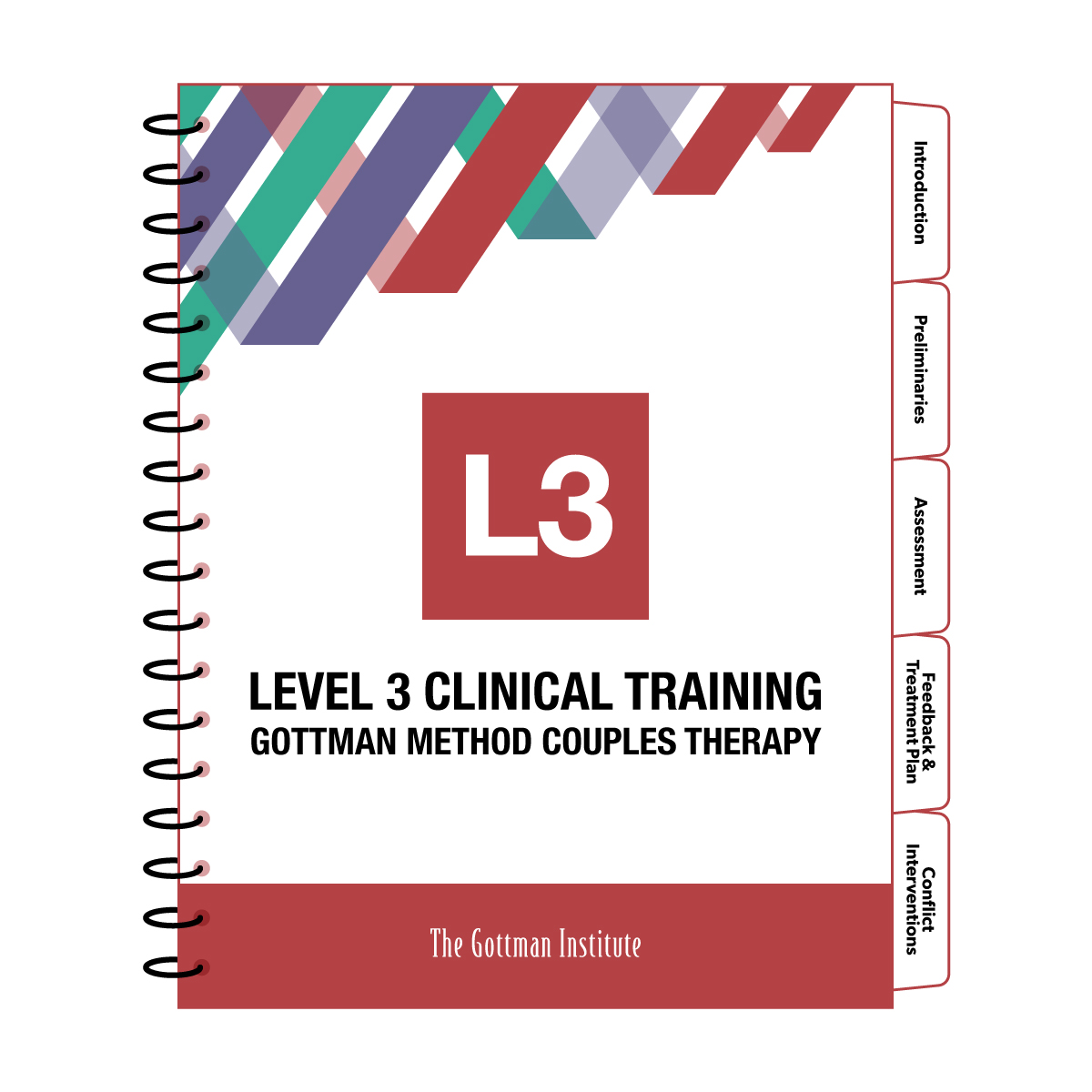
The catalog fails to provide visual 'look-ins' or detailed curriculum breakdowns for its most expensive items, such as the Level 3 Manual and Certification Track. For a professional buyer like Sarah, spending over $1,000 on a product with a 250-character description and a single low-resolution image creates significant friction and perceived risk, especially when the digital interface is already a known point of concern.
Product descriptions often lean too heavily into dense academic summaries, creating a 'textbook' feel that contradicts the brand's goal of accessibility. While the voice should be authoritative, the copy frequently fails to bridge the gap between the high-cost clinical certification and the immediate emotional relief a consumer seeks, leaving the digital experience feeling dated and overly technical rather than premium and supportive.
To reach every couple and every family with the science of love and the tools to build and repair relationships.




AITools.catalog-audit.report-v5.act-3-divider.summary
Average of 1.4 images per product is far below the industry standard of 5+ images.
criticalProducts costing $1,225 have less than 300 characters of descriptive text.
criticalGeneric titles like 'Level 3 Manual' cause loss in organic search and brand authority.
warningAbsence of BNPL visibility on $500+ products increases professional cart abandonment.
warningSelect core manuals have 0 description, making them un-purchasable for new users.
warningCompetitors were selected based on their overlapping target audience (therapists and couples) and high-authority research-backed product offerings. Metrics were estimated by analyzing product page depth, visual assets, and clinical claim consistency across their digital storefronts.
Competitor metrics are estimates from public web signals, not scraped catalog counts.
Weak titles (0%)
Insufficient images (0%)
Weak titles (0%)
Insufficient images (0%)
Insufficient images (0%)
Insufficient images (0%)
Insufficient images (6%)
Insufficient images (0%)
Insufficient images (0%)
Insufficient images (0%)
Insufficient images (0%)
Insufficient images (0%)
Insufficient images (0%)
Insufficient images (33%)
Insufficient images (0%)
Insufficient images (0%)
Insufficient images (50%)
Insufficient images (33%)
Insufficient images (50%)
AITools.catalog-audit.report-v5.act-4-divider.summary
Weak image coverage reduces trust and makes products harder to evaluate.
Incomplete SEO fields limit how much organic traffic your existing catalog can capture.
Weak titles hurt search visibility and make products harder to understand at a glance.
Thin or missing descriptions force shoppers to guess why the product is worth buying.
Clearer product names that are easier to scan, search, and compare.
More complete PDPs that explain value, answer objections, and support conversion.
Richer PDPs with stronger visual confidence and fewer abandoned product views.
A more discoverable catalog with cleaner metadata and stronger search intent.
Adding 3+ images per product increases add-to-cart rate
Keep 20% of products unchanged as a control group. Compare conversion rate, bounce rate, and revenue per session between optimized and control products after 30 days.
Generate 3D mockups and lifestyle settings for manuals and digital courses to increase visual trust.
Automatically expand product descriptions to include curriculum highlights, benefits, and professional ROI.
Bulk-optimize titles to include 'Gottman Method' and science-based intent keywords.
Standardize tags and categories to ensure correct cross-selling and search discoverability.
AITools.catalog-audit.report-v5.queue.lede
AITools.catalog-audit.report-v5.cta.recap